
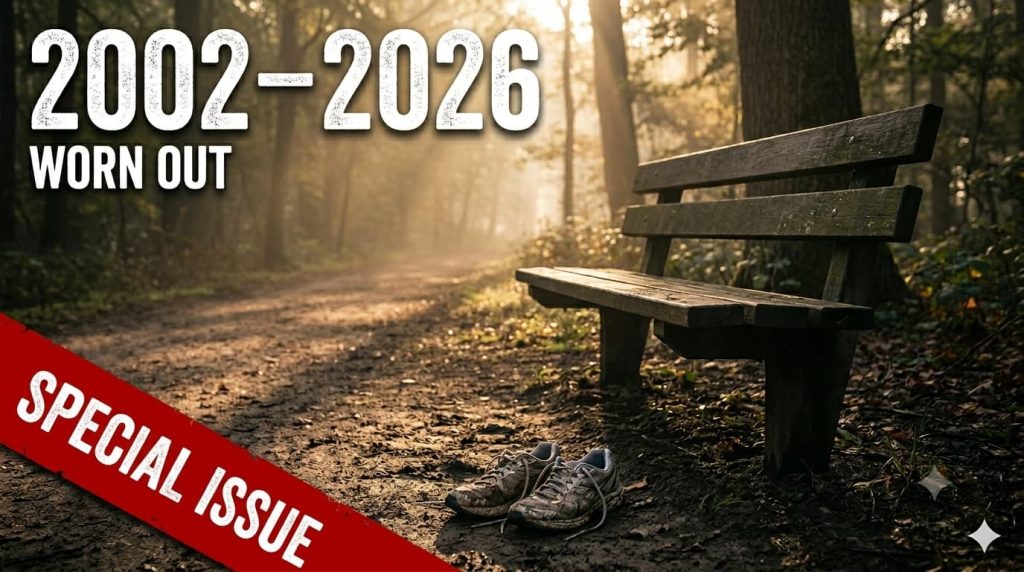
Over my 24 years of running, I have worn out 45 pairs of running shoes. That works out to an average of approximately 1,377 kilometres per pair. This is a realistic figure — it genuinely reflects what I get out of an average pair — but the distribution tells its own story. In this section I introduce every single pair, as a kind of tribute, because each one grew close to my heart through the time we spent together and the kilometres we shared. In the next section I will draw the lessons I learned from using them all.
The Early Years — Nike (2002–2006)
The very first pair I ever ran in was a used pair of Nikes. Real running shoes — and even though they were second-hand, they served exactly the purpose I needed: to try running. Not a sports shoe you also wear on the street, but a shoe designed specifically for running, from the early 2000s.
Once running had hooked me in the summer of 2002, my first real, brand-new pair was a Nike Dart III, received as a Christmas present. I used that shoe exclusively for running — never for anything else. It was an entry-level shoe, but it was perfectly suited to my needs at the time: five to seven runs a month, averaging six to seven kilometres each.
Before I started running, someone gave me a piece of advice that has stayed with me ever since: choosing the right running shoe matters enormously, because you only get one set of ankles and knees for life. You can replace shoes; you cannot replace your knees. That is absolutely true. After all these years, I would only add: “and it is worth replacing your running shoes when the moment comes.” But when does that moment arrive? How do you know?
According to manufacturers, the cushioning in a running shoe retains its original resilience for roughly 500–800 kilometres.
I will not pretend otherwise: price has always been a decisive factor for me, and I have always looked for the best value for money. But the market in the early 2000s was quite different. Running was already fashionable and represented a significant market for manufacturers — though nothing like today. The shoes themselves were different too.
Until 2006, running was a secondary sport in my life alongside cycling, so in those first two years I rarely ran more than 50 kilometres a month. That eventually grew to 80–100. The Nike Dart III was followed by a Dart IV, since the model had proved itself. Both lasted around a year and a half before being demoted to “backup” status — handy for those muddy, rain-soaked runs when you didn’t want to soak your current pair. For the next pair I chose something more expensive, since by then my monthly mileage was 100–120 kilometres; though even that was still a budget shoe, another entry-level Nike. I used it for a year, and it was on my feet when I switched to running as my sole sport in the autumn of 2006.
The First Real Running Shoe — Adidas (2007)
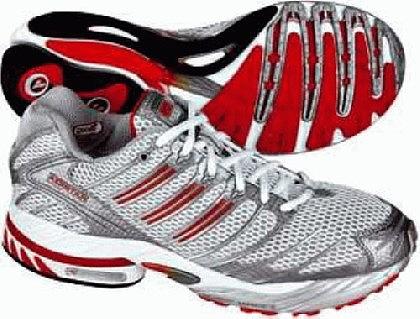
I bought my first genuinely serious running shoe in January 2007: an Adidas Adistar Control, which I found at an excellent price. I still remember those first steps: I was astonished at how comfortable it felt. Running in it was a completely different experience from anything before — a whole other category. I took great care of it and ran in it for a full year, covering 2,500 kilometres. By the end the upper had started to fray, but I stitched it back together because I loved it so much. I never felt the cushioning had diminished. It was during this time that I discovered there are different types of runners, each suited to a different kind of shoe: neutral, overpronating, and supinating runners, depending on which way the ankle rolls — or doesn’t. The wear pattern on the sole tells you clearly which type you are. On this basis I established that I am fundamentally a neutral runner (like sixty percent of runners), with a mild tendency to overpronate.
The Reference Point — Nike Pegasus (2008)
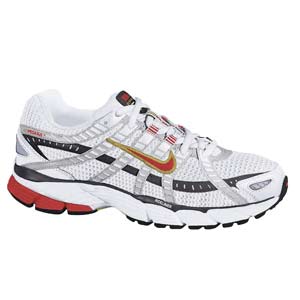
The replacement came a year later, when the upper had accumulated too many tears. In January 2008 I bought my first pair of Nike Pegasus. The experience was once again astonishing: this felt even more comfortable than its predecessor, and the upper held up far better under stress. It proved so good that from that point on, the Pegasus became my reference standard. I ran a full year in it too — around 2,500 kilometres.
A pattern was beginning to emerge: I needed to replace my running shoes every year. By the end of the year I could feel that the cushioning was no longer what it had been, that the shoe had lost much of its resilience. It is impossible to put this feeling into words, but by then I had six years of running behind me and I could simply sense the difference.
Trying Something Different — Asics, Mizuno (2009–2010)
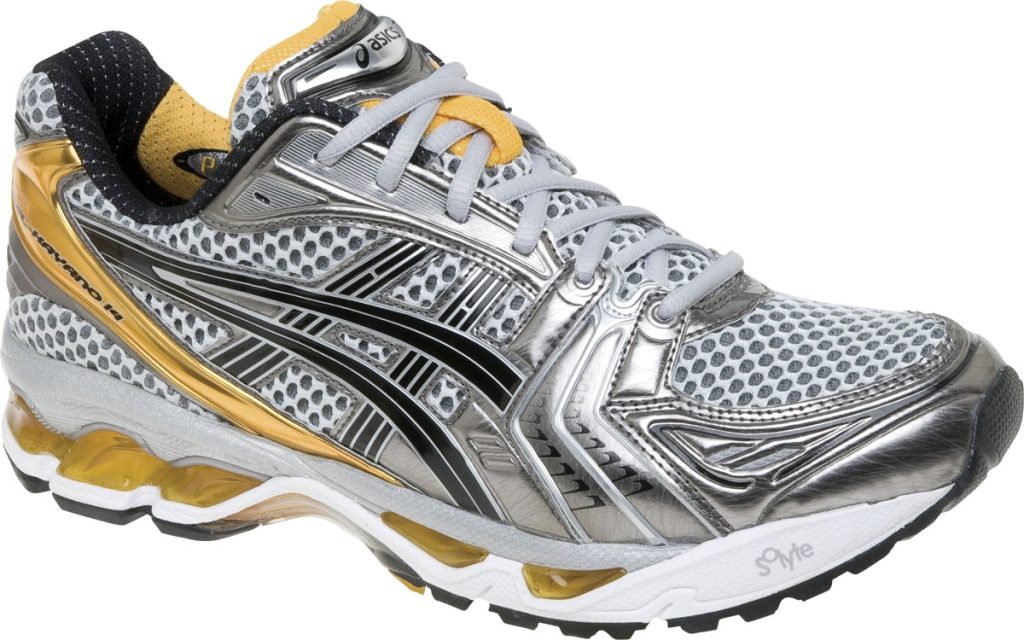
My next pair was the Asics Gel Kayano 14, and the experience surprised me. I wanted to try a stability shoe (designed for overpronators), curious about the difference. These are heavier shoes, differently constructed — in the models of that era, the arch-support section was clearly visible and set apart, in a different colour and made from a different material. The shoe was comfortable, but to my surprise it wore out far sooner: I had to replace it after 1,600 kilometres, before summer was even out — though I had started wearing it in January.
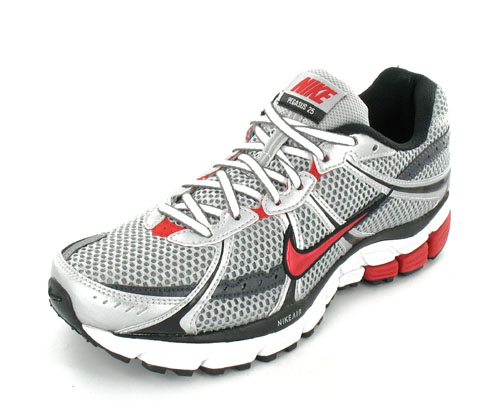
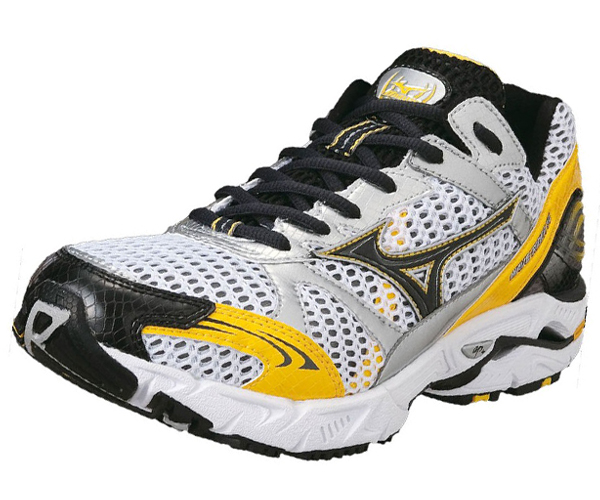
The same thing happened with of the next two pairs (Nike Pegasus 25 and Mizuno Wave Rider 12). The Pegasus was wonderful, I really loved it : 2400 km! Concerning the Wave Rider, I was forced to retire them after around 1,400 kilometres, when the cushioning simply vanished. I looked for an explanation. How could there be such a dramatic difference — a thousand kilometres less from shoes in the same category? I found the answer much later: it lay in the direction technology was developing and in how manufacturers were responding to consumer demand — commercial interests included. Comfort and aesthetics were beginning to overtake durability as priorities. That trend has persisted. The Wave Rider of that era had visible plastic waves on the heel section; you could almost feel how those plastic elements provided the spring. When the shoe wore out, the sections had visibly cracked, which logically reduced the cushioning. In this case, there were clear visual signs of wear.
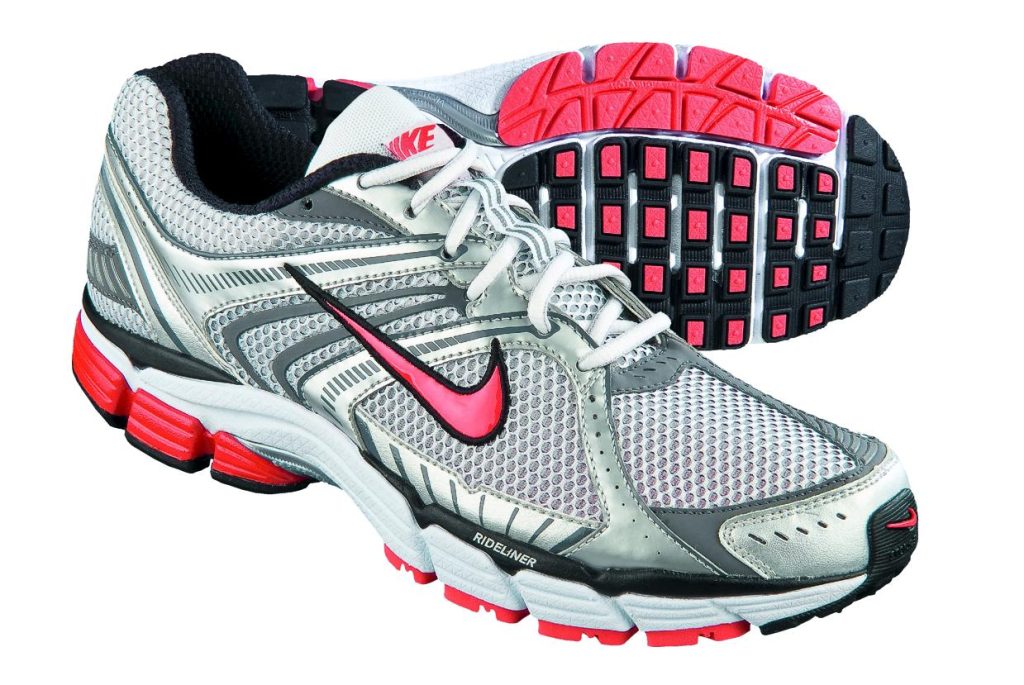
I was beginning to reconcile myself to this, until my next two pairs — both Nike Air Anodyne — each lasted more than 2,000 kilometres again, to my great relief, with comfort comparable to the Pegasus.
A New Favourite — New Balance (2011–2012)
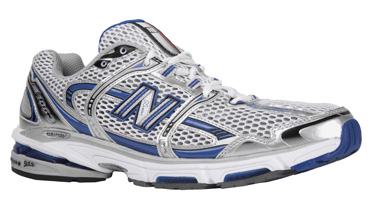
I then decided to try yet another brand: the New Balance MR 1063. The first run was a revelation: such comfort, such cushioning — I had never experienced anything like it with any other shoe. It held up well too: I ran 1,900 kilometres in it.
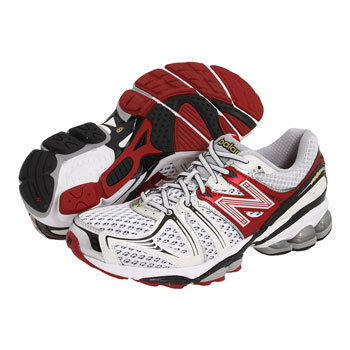
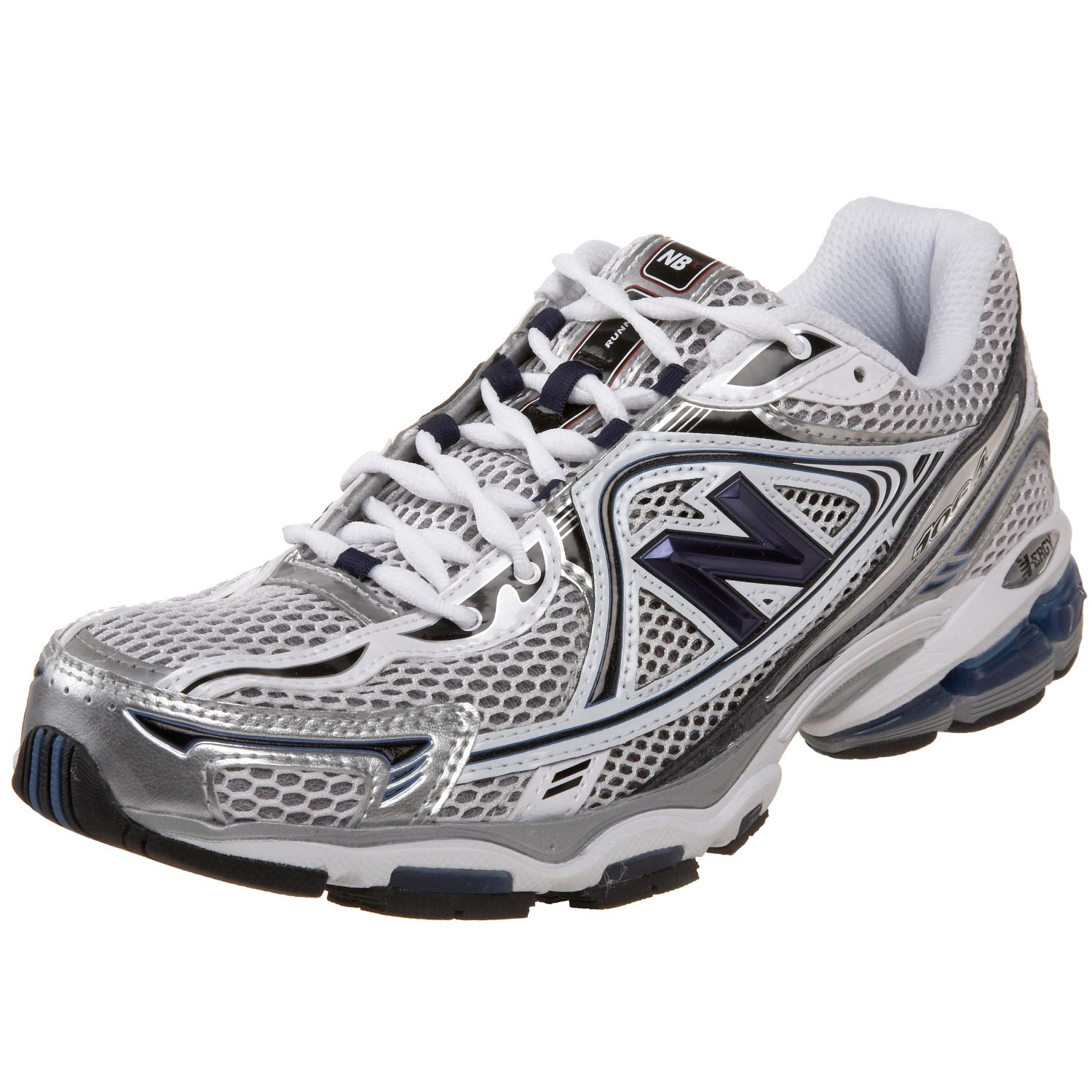
For a while I was fully devoted to the brand: New Balance MR 1080 (1,900 km) and New Balance MR 1064 (1,600 km). The MR 1080 holds a particularly special place in my memory — it was the shoe I wore for my first marathon.
Disappointments — Mizuno and Asics Again (2013)
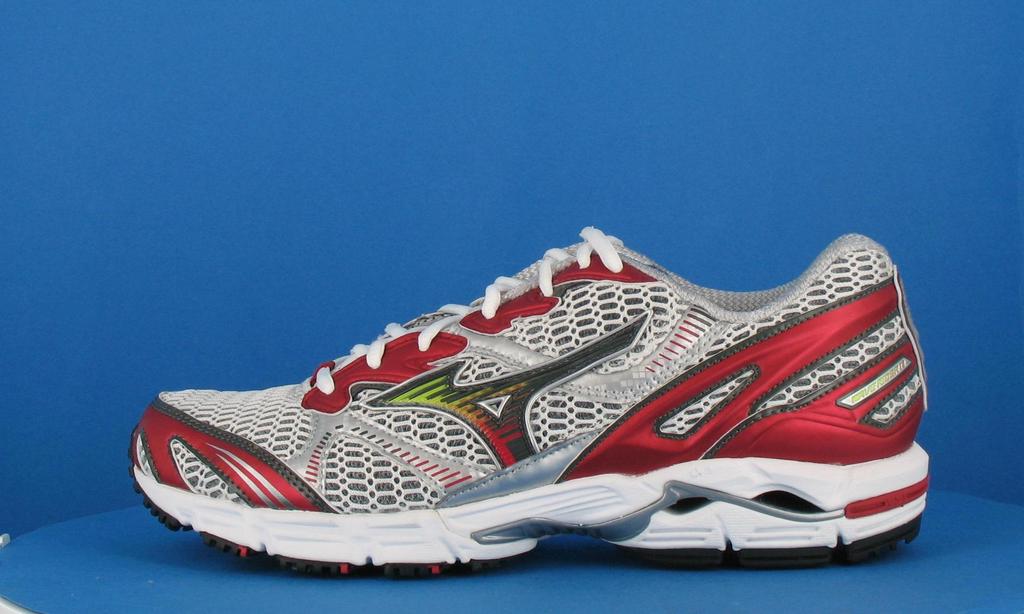
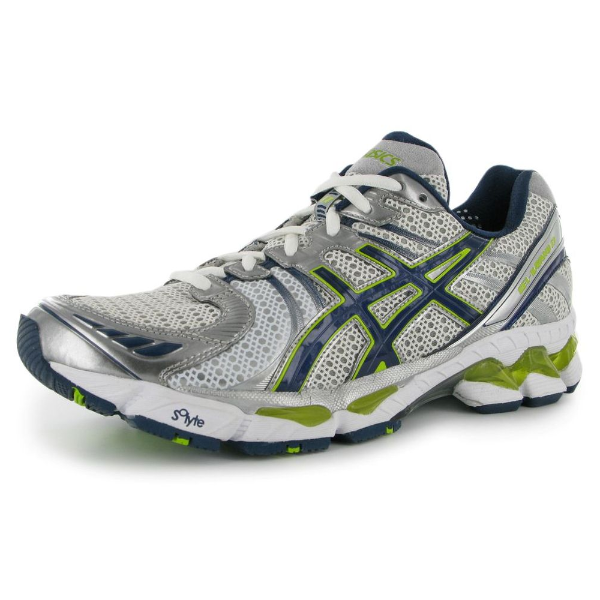
The next two pairs — Mizuno Wave Rider 14 and Gel Kayano 17 — brought my greatest disappointments: both developed holes at the toe after just a few hundred kilometres. With durability of 1,220 and a shameful 1,040 kilometres respectively, I began to think the trend was getting worse. I ran the Amsterdam Marathon in the Gel Kayano 17, and I remember leaving it beside the bin in the hotel, feeling I could not run another step in it. I said goodbye to it there rather than bringing it home.
The First Rain Shoe — Nike Zoom Structure 15 Shield (2013–2017)
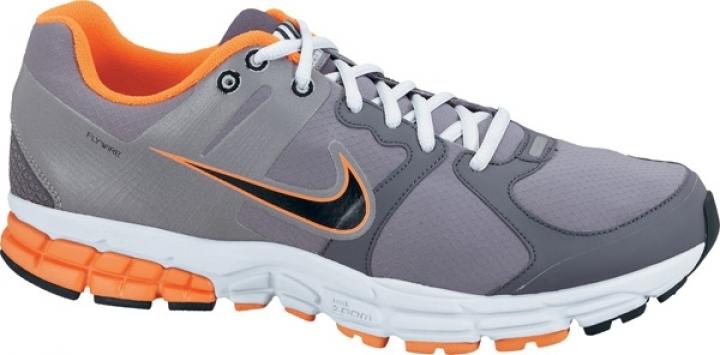
Around this time it occurred to me that I needed a separate shoe for wet and muddy conditions. This was a Nike Zoom Structure 15 Shield, which I used for nearly four years — exclusively in the rain — covering 1,377 kilometres. The upper held up magnificently throughout; the material was almost canvas-like and performed superbly in wet weather. In the end it was the sole’s outer layer that started to peel away, the adhesive letting go beyond repair. That was what finished it. The upper was in perfect condition.
Race Shoes — Saucony Mirage II and IV (2013–2015)
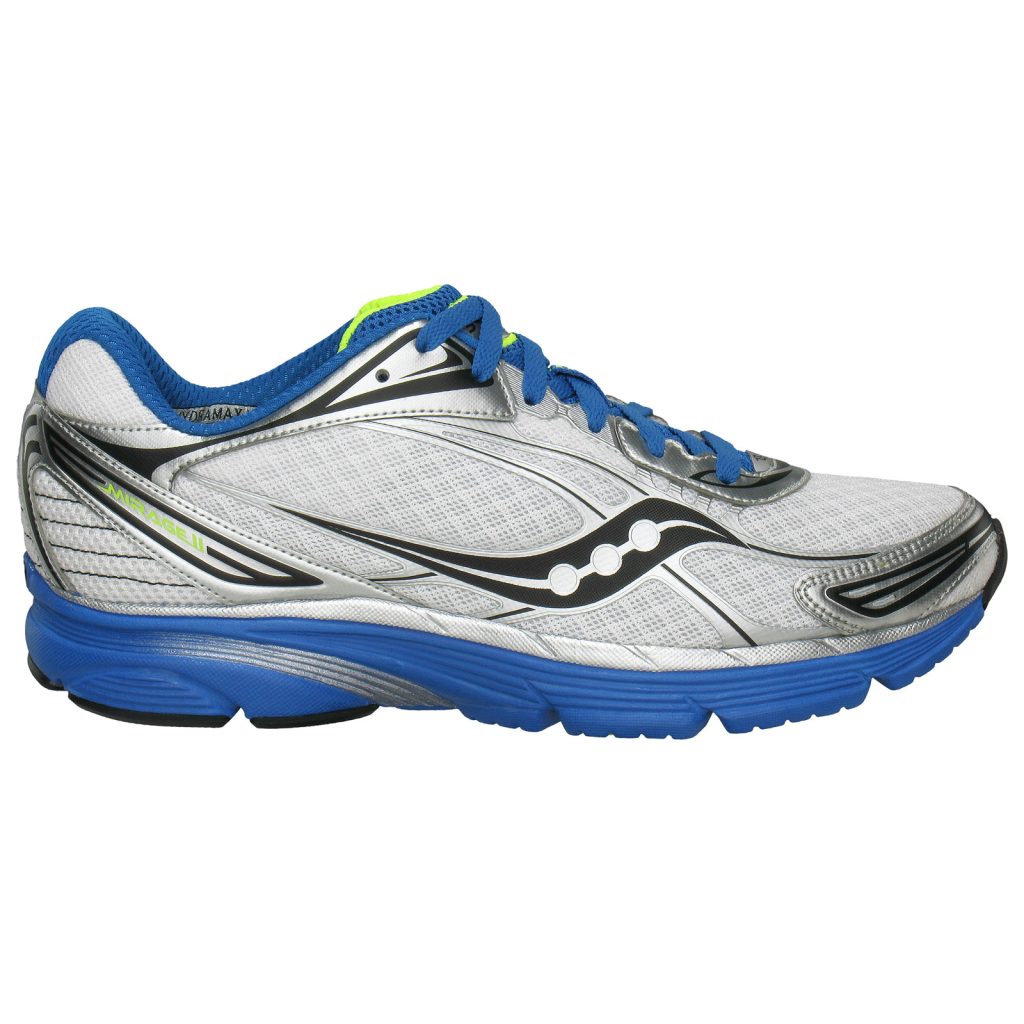
Since I had now run several marathons, I decided to buy a shoe specifically for racing. The conventional wisdom is to race marathons in the same shoe you trained in (or at least to switch no later than a hundred to a hundred and fifty kilometres before the race, to let your feet adjust). I wanted to find out what a true racing shoe felt like. This was the Saucony Mirage II, whose advantage was that despite its light weight it also offered internal support — a real benefit even for neutral runners, since a tired foot tends to behave differently and may need the extra guidance. Light weight naturally comes at the expense of durability, so this shoe lasted only 725 kilometres. It performed well in races — I ran two marathons in it — but wear marks appeared on the outsole after just 270 kilometres.
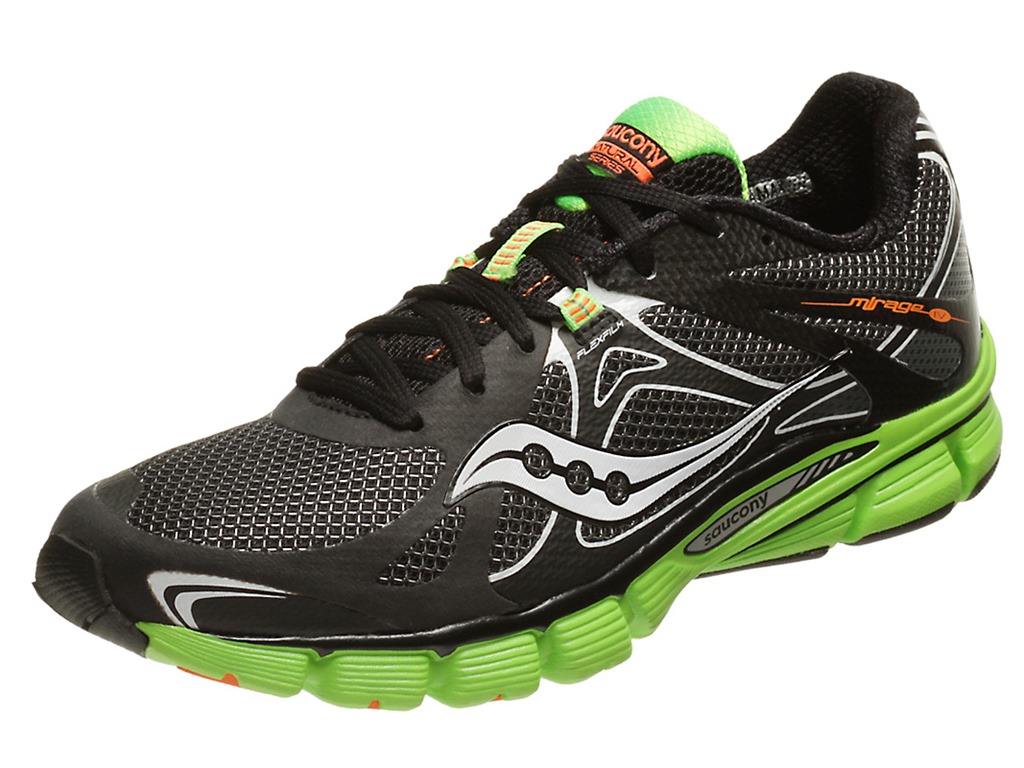
I later bought the Mirage IV of the same model, using it similarly for faster training sessions and races. It behaved much the same way, lasting just under 800 kilometres. The upper deteriorated faster than on the II, and another difference was that my feet felt more fatigued after long distances. It seemed to support the ankle less well. This made it clear that significant differences can exist between successive generations of the same model.
Adidas Returns — Supernova Sequence 5 (2014)
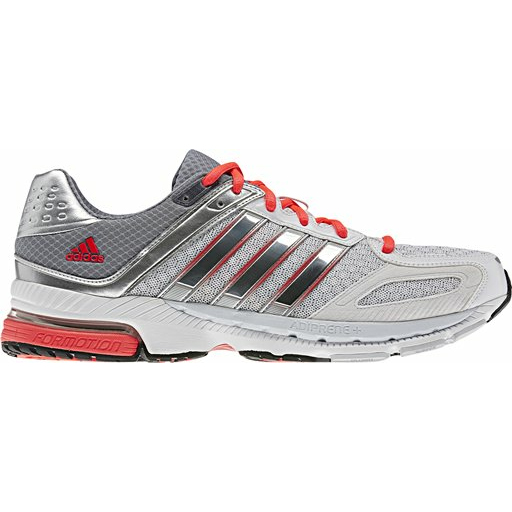
My next shoe was the Adidas Supernova Sequence 5. I generally bought the previous year’s model at a discount once it had been discontinued. It did not last long — I said goodbye after 1,120 kilometres. By this point I could feel perfectly well when the cushioning had gone, so I was measuring by feel rather than by kilometres.
Asics GT-2000 (2014)
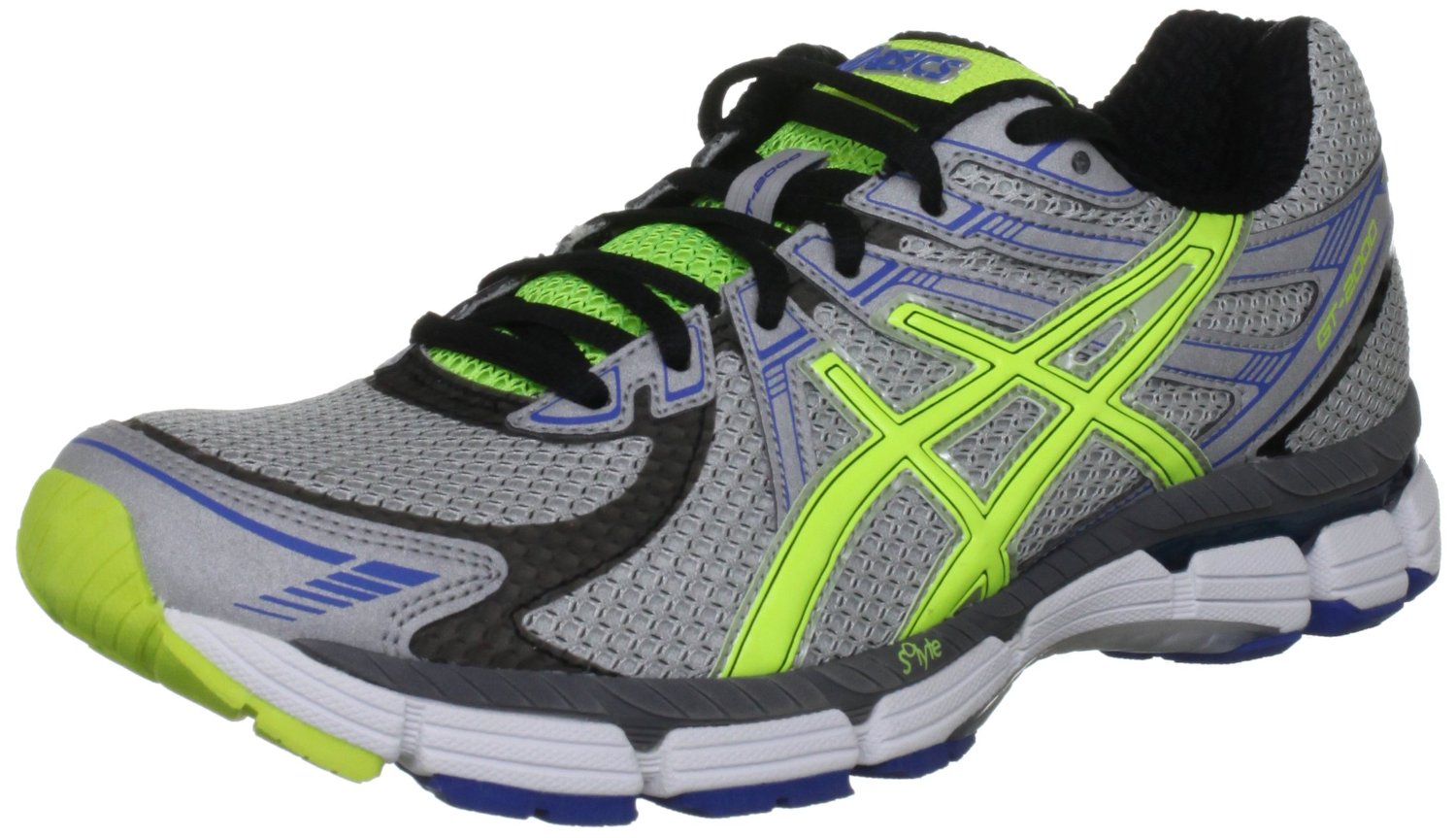
The next pair was an Asics GT-2000, chosen because it was specifically recommended for longer distances. It was genuinely pleasant to run in — but “longer distance” turned out not to refer to durability: it lasted a mere 1,074 kilometres before the upper began tearing in several places.
The Size Question
One critical issue when buying running shoes online is sizing — if you want to avoid the hassle of returns. The problem is that manufacturers do not size their shoes consistently. For running you need roughly one to one and a half sizes larger than normal (sometimes two, depending on the model) — though some manufacturers build this difference into their sizing and let you keep your regular size. In the mid-2010s the situation was chaotic. It seems to have settled down since, and a general rule of +1 to +2 sizes seems to hold. Another trend of those years was that shoes were being designed for increasingly narrow feet, which could only be addressed by going up a size. More on this later.
Saucony Progrid Guide 6 (2015)
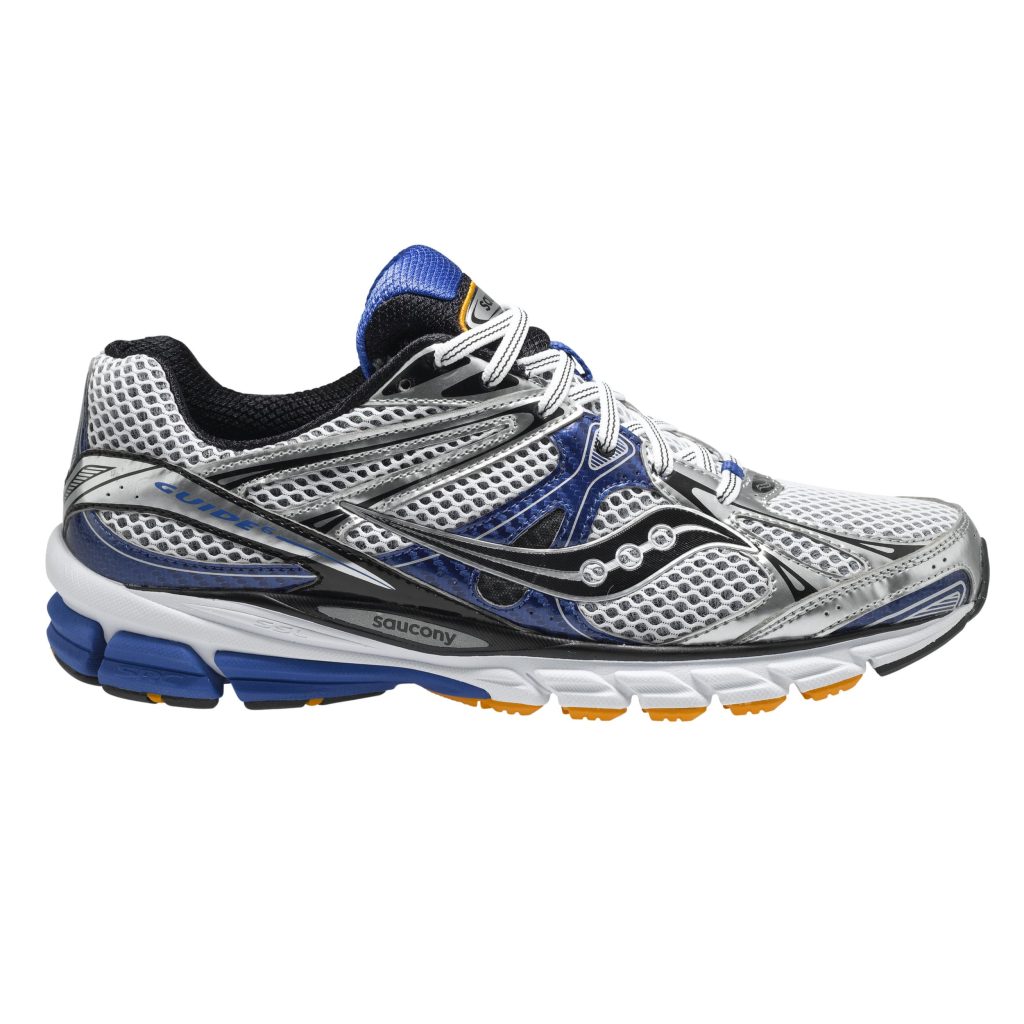
My general impression of Saucony models was that they were comfortable but not particularly durable. The Saucony Progrid Guide 6 confirmed this. It was a stability shoe, and I ordered two sizes too large — which still turned out to be tight, another half-size would have helped. The outsole wore quickly, though the upper held up well. I eventually retired it after 1,160 kilometres.
Nike Lunar Eclipse 3 (2015)
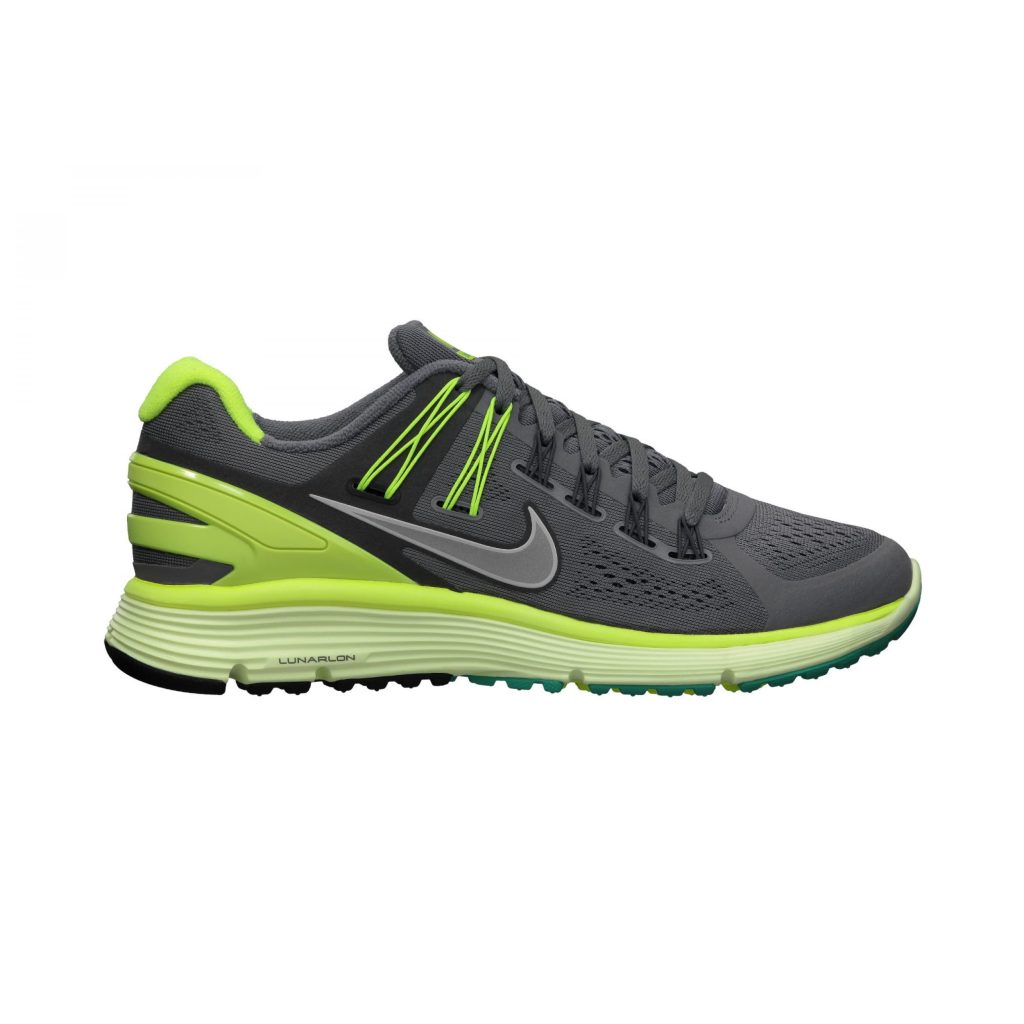
My next shoe was the Nike Lunar Eclipse 3, also acquired at a discount. I loved running in it, though the start was far from ideal: a poorly placed reflective Nike logo rubbed my foot raw on the very first run. In the end, its incredible comfort and cushioning made it one of my all-time favourites — even though it only lasted 1,060 kilometres. In the final few runs I noticed the cushioning had deteriorated rapidly, making a replacement unavoidable.
More Adidas — Supernova Solution 3 and Adistar Salvation 3 (2016)
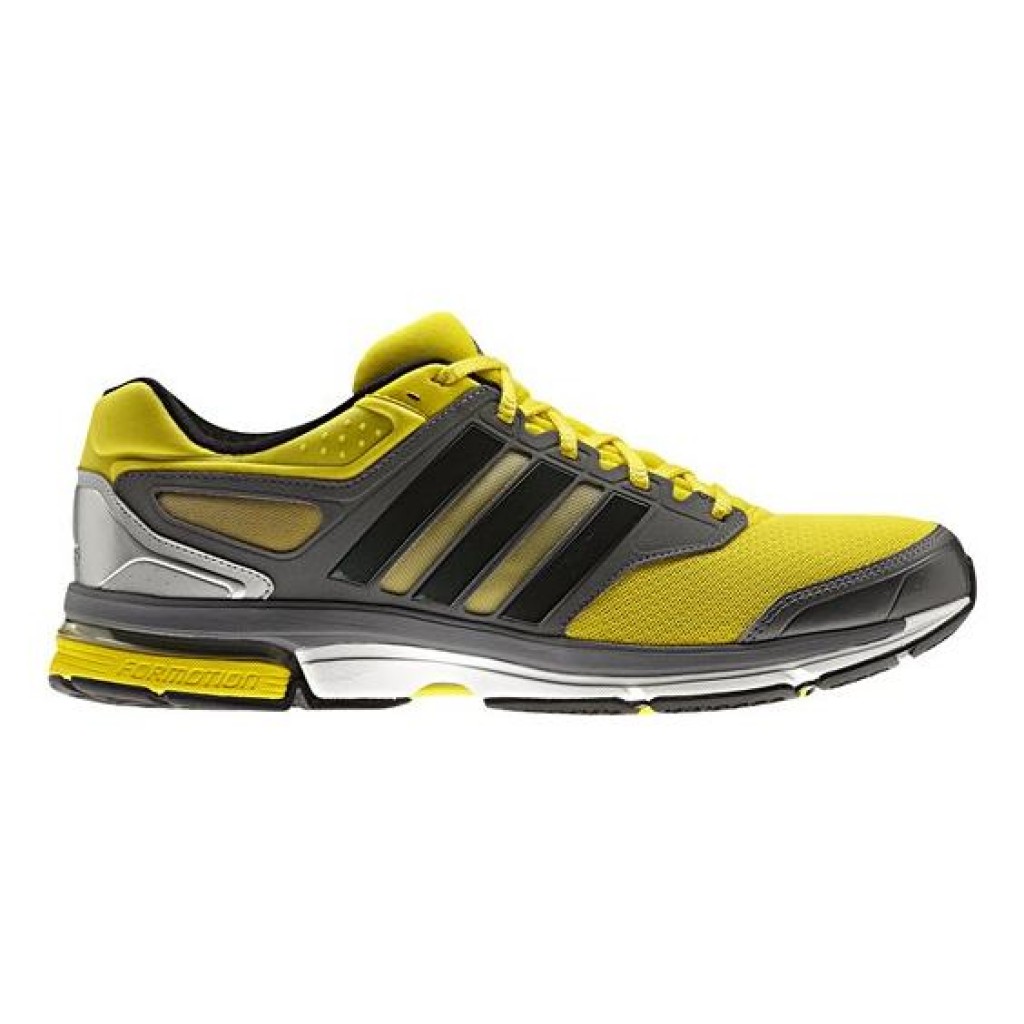
I had read somewhere around this time that it is good practice not always to run in the same shoe (following a single brand through successive generations), as the foot benefits morphologically from adapting to a new shoe. With this in mind I switched again, to an Adidas Supernova Solution 3. The pattern held: I had to replace it after 1,176 kilometres, as the cushioning had vanished almost entirely within about 100 kilometres.
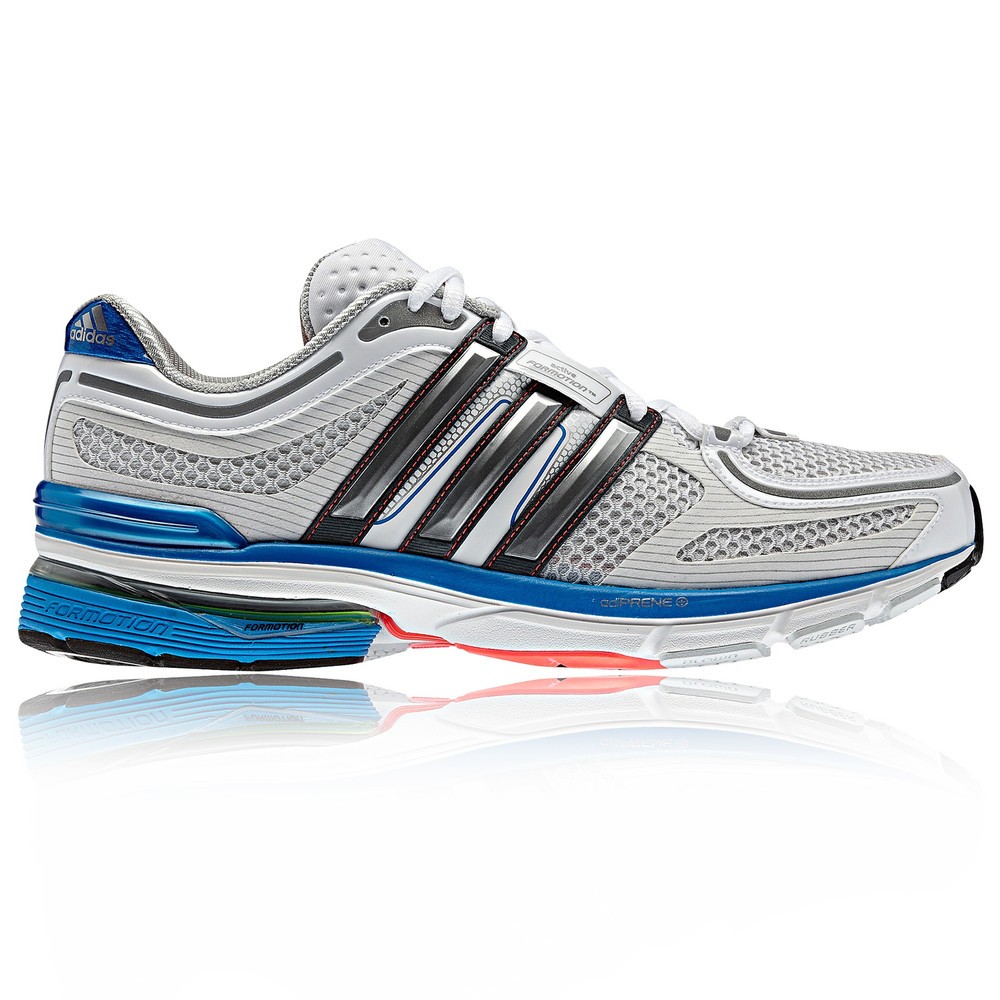
At the time, the Adistar series was supposed to represent the pinnacle of Adidas running shoes. I found the Adistar Salvation 3 at a very good price — but I was disappointed. Adidas shoes generally held up well in the upper, but not this one. After 400 kilometres, the inner lining had worn through and you could see the sock through it — at that point barely more than a month’s use. Most memorable, however, was the heel wear on the outsole. Everyone loads their shoes differently; my right heel always wears faster on every shoe. But here it was extreme (even though, if I remember correctly, like other high-end Adidas shoes of that era, this one also used Continental rubber). At 450 kilometres I had to take it to a cobbler to have a heel cap added. He applied a highly wear-resistant layer which, while making the already heavy shoe even heavier, at least stopped the wear. An odd sight, a resoled running shoe — the rigid material naturally made the entire running experience stiffer and less comfortable. I parted with it after 1,125 kilometres.
Asics Nimbus 15 (2016)
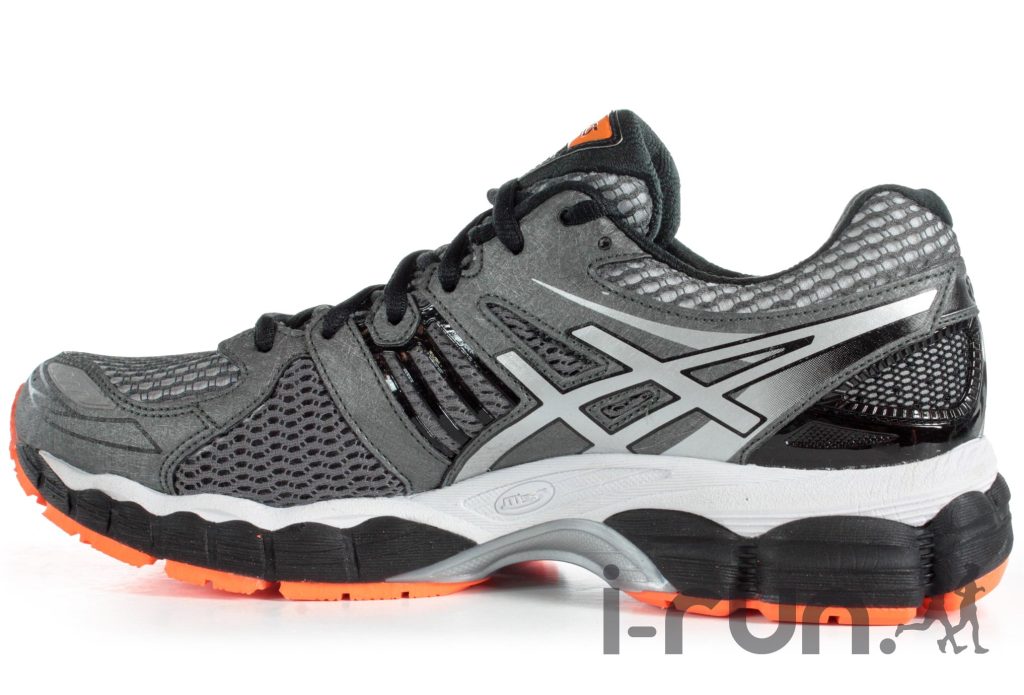
The top of the Asics neutral range at the time was the Nimbus series. The Nimbus 15 was my next choice. Only a half-size larger was still available online, but I thought it wouldn’t matter much. In this case, that half-size difference was right at the boundary of what was usable for me. The inner lining of the upper began to fray at 900 kilometres, then in a few more places, but the shoe lasted nearly 1,600 kilometres — a record by recent standards.
Nike Lunar Eclipse 4 (2017)
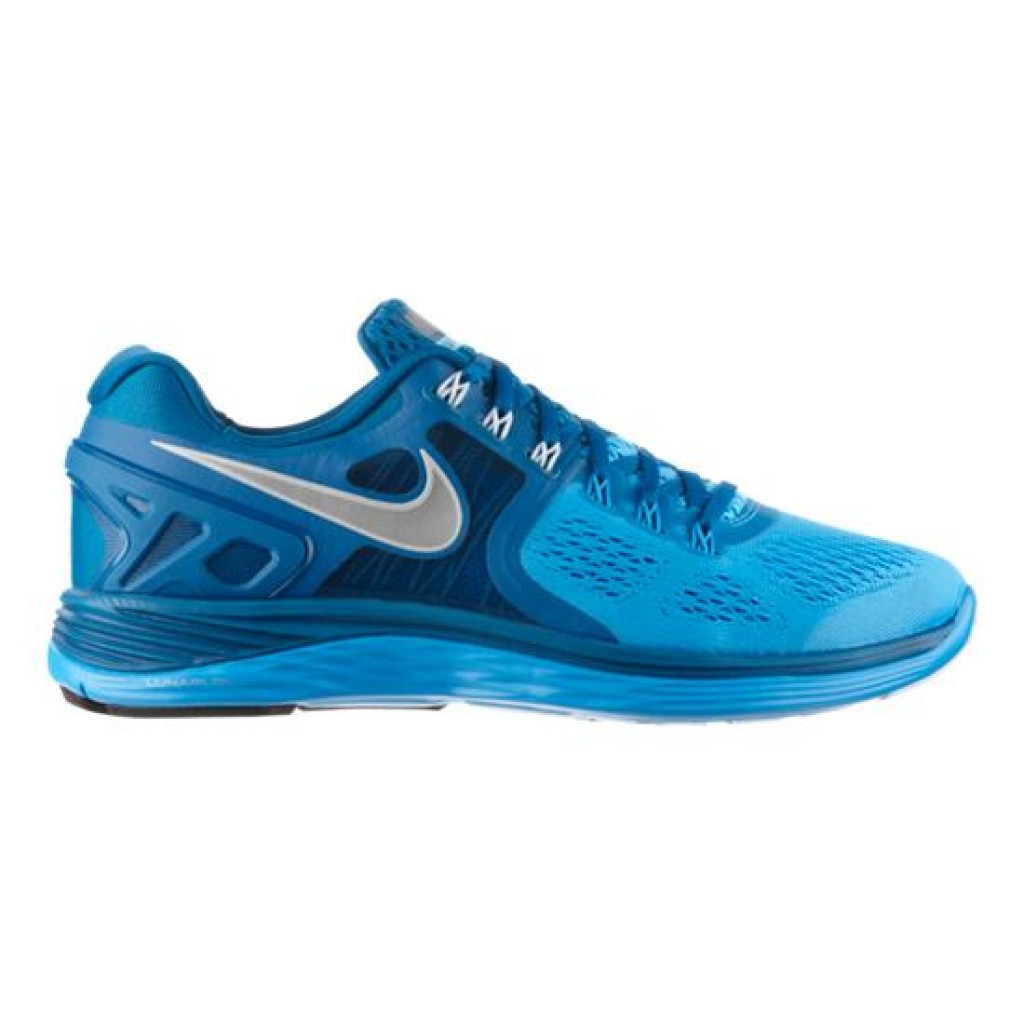
The next shoe was the updated Lunar Eclipse 4. Because it was also relatively light and supremely comfortable, I ran three marathons in it. It offered an optimal stability-to-weight ratio for long distances. Since the Eclipse models had relatively little outsole coverage, the wear was faster than usual: I had to replace it before 1,100 kilometres, though I was sorry to do so — it had been so comfortable when new.
Adidas Supernova Sequence 5 — Second Pair (2017)
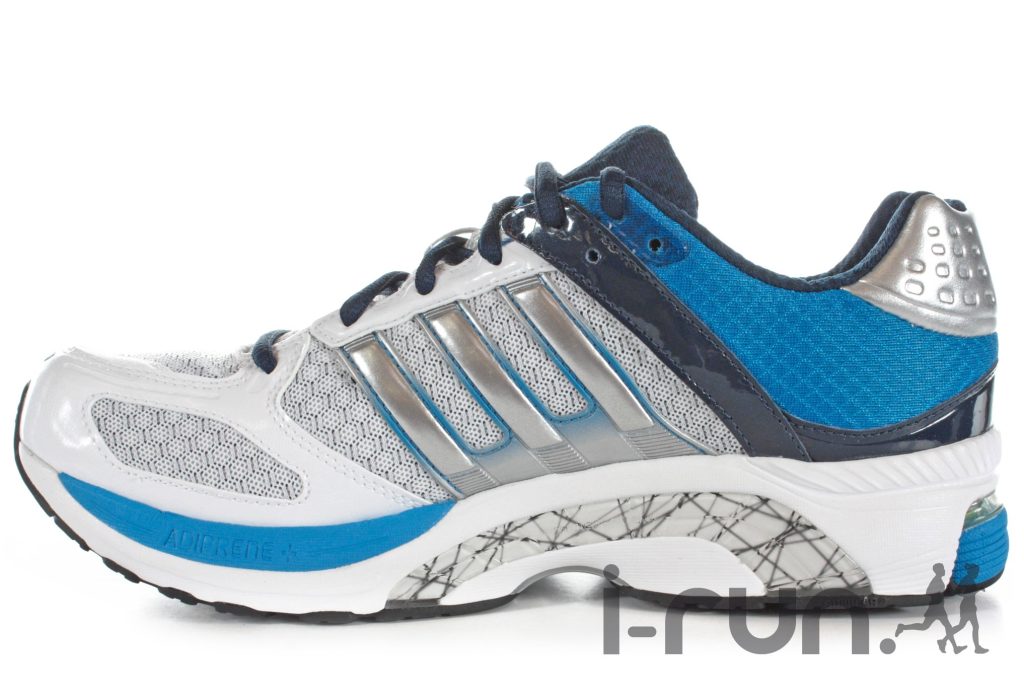
I came across a discounted second pair of the Adidas Supernova Sequence 5. Since my first experience had been positive, I did not hesitate to order again — and interestingly, this pair lasted longer: I retired it after 1,410 kilometres.
Rain Shoe Replacement — Saucony Progrid Guide 6 Gore-Tex (2017–2018)
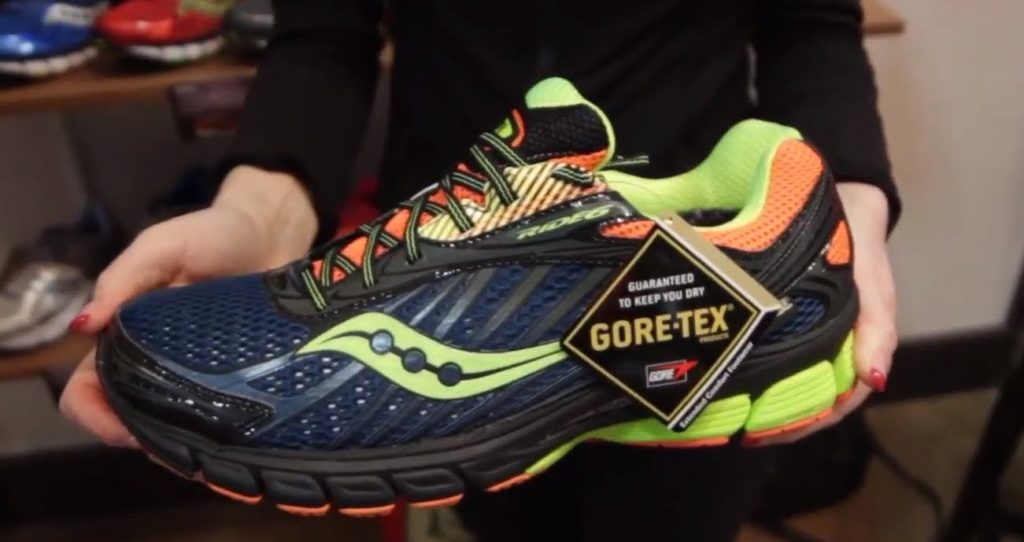
Around this time my rain shoe, the Nike Shield, needed replacing. The next was a Saucony Progrid Guide 6 Gore-Tex. Its waterproofing astonished me, even compared to the Shield: the GTX genuinely never let water in. In the end it shared the durability typical of Saucony shoes, and at 1,040 kilometres I took it with me to Scotland for a month (expecting plenty of autumn rain). It lasted the entire month — 1,410 kilometres in total.
The Unexpected Find — Diadora N-9001-1 (2018–2019)
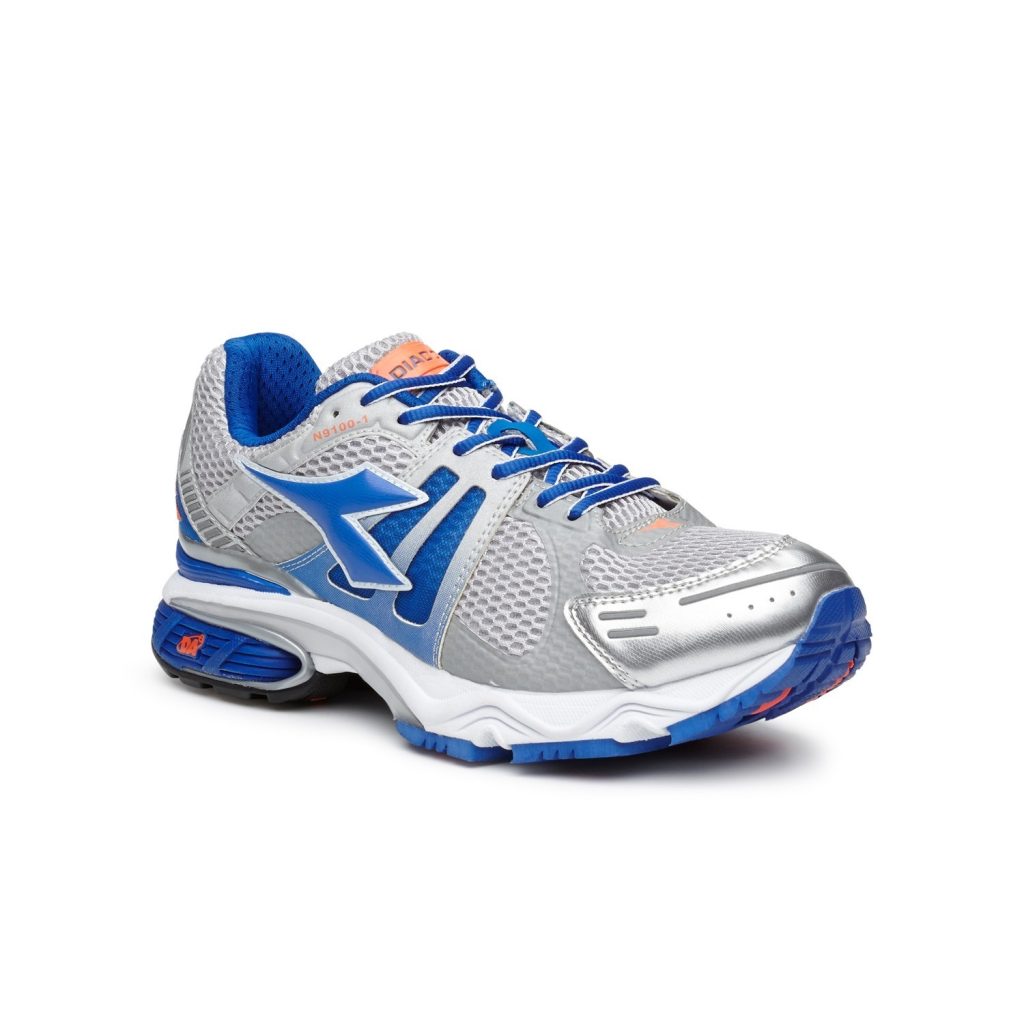
My next shoe was an unfamiliar brand: the Diadora N-9001-1. It was Diadora’s flagship, and I managed to acquire it at an almost unbelievable 80% discount (I initially didn’t believe the full price was that low, and had to verify it). It was a heavy shoe — 385 grams in a size 44, which you can feel. Like running with a light shoe’s sole packed with mud. But there was substance to it, and it proved correspondingly durable: nearly 1,600 kilometres. (As a side note: I am wearing this shoe on the cover photo with my greyhound.)
Nike Lunar Eclipse 4 — Second Pair (2019)
I unexpectedly came across another pair of the Nike Lunar Eclipse 4. Somewhere in the depths of a warehouse, a single pair had survived — and I snapped it up. Same model, same blue colour as the previous one. I was so careful with it that I managed to get 1,410 kilometres out of it.
A Word About Old Stock
It is risky to buy very old models, particularly now, because technology increasingly targets lighter and more comfortable shoes — and the foam they are made from ages over four to five years even if never worn. It is a sad truth. To this day I make a point of only starting to use a shoe manufactured no more than four years earlier: based on my experience, it still holds up well within that window.
The Star Rain Shoe — Adidas Supernova GTX (2019–2023)
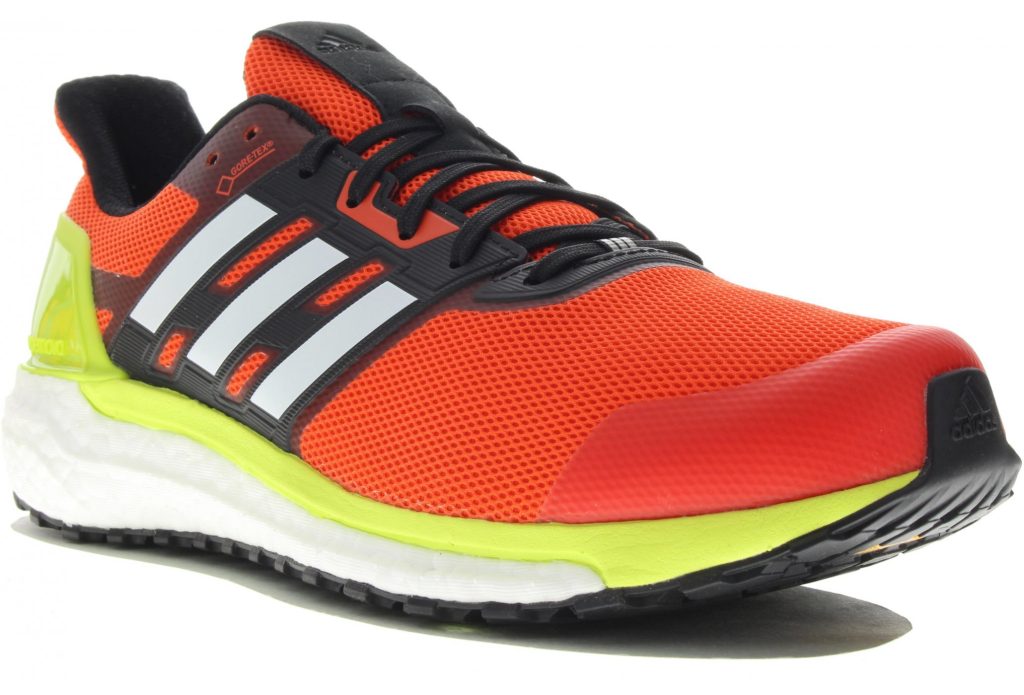
After Scotland it was time to replace my rain shoe again. The next one was a genuine star, still my reference in this category: the Adidas Supernova GTX. I used it for nearly four years (as an alternate shoe), covering almost 1,700 kilometres. The upper was flawless at the end. The only reason I never wore it as an everyday shoe was its vivid orange colour — practical for running, but too conspicuous for daily life. Despite its considerable weight (376 g), it was supremely comfortable and high quality. The Supernova was still a premium product for Adidas at that time. It then disappeared for a few years, returning under the same name but as a lower-mid category shoe — and of noticeably weaker quality, as I was later to discover.
Adidas Supernova Sequence 7 (2019)
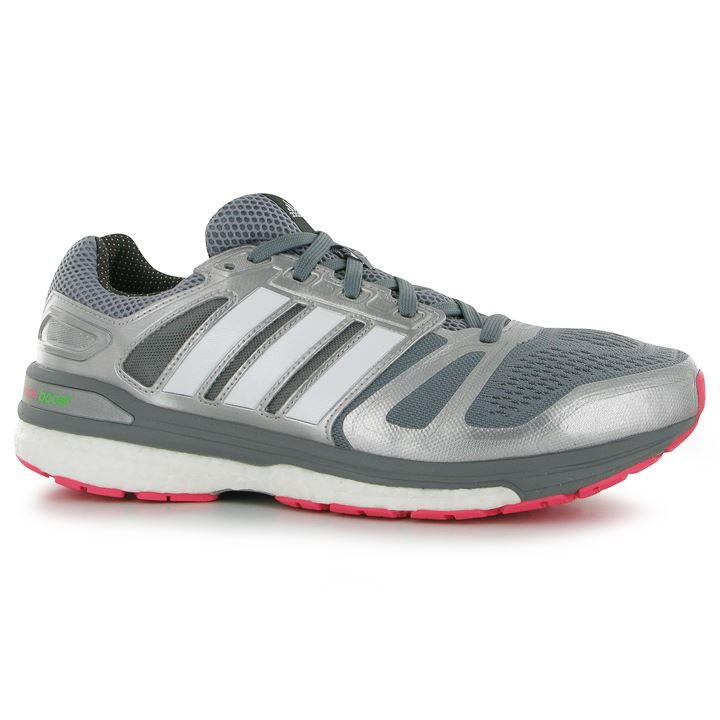
The Adidas Supernova Sequence 7 still belonged to the better era — two generations later than the fifth, of which I had used two pairs. I liked this one too, wearing it for 1,424 kilometres.
The Triathlon Shoe — Zoot Laguna (2020)
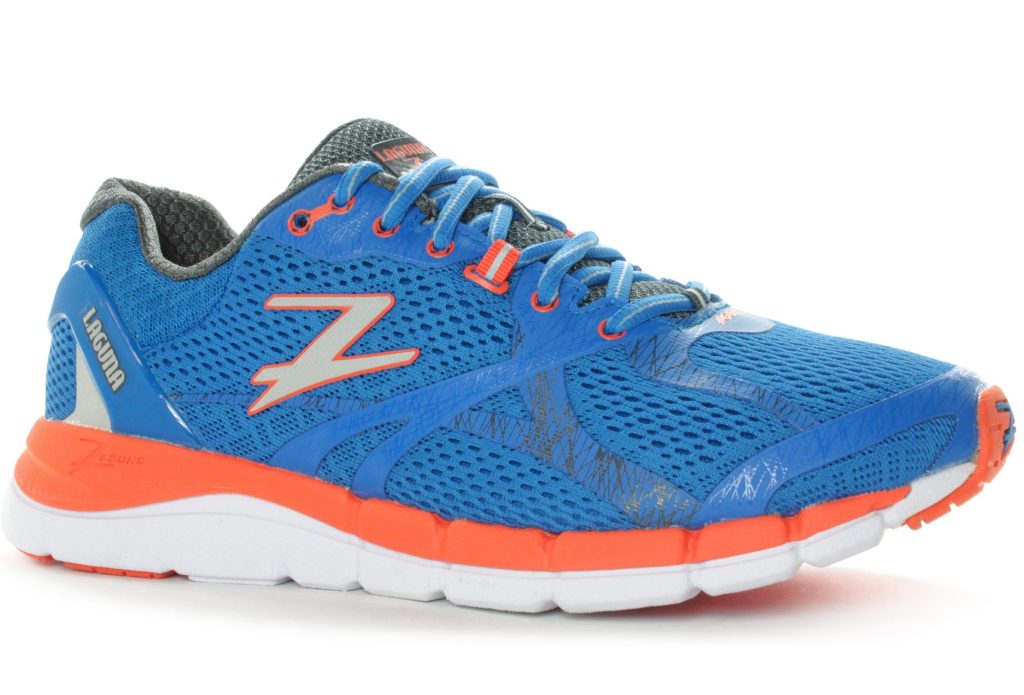
My next shoe was an unfamiliar brand: the Zoot Laguna. I had read that it was a triathlon shoe, though perhaps heavier than expected for that purpose (321 g), and it proved surprisingly durable: nearly 1,500 kilometres.
Into the Stack — Hoka One One Stinson 3 ATR (2020)
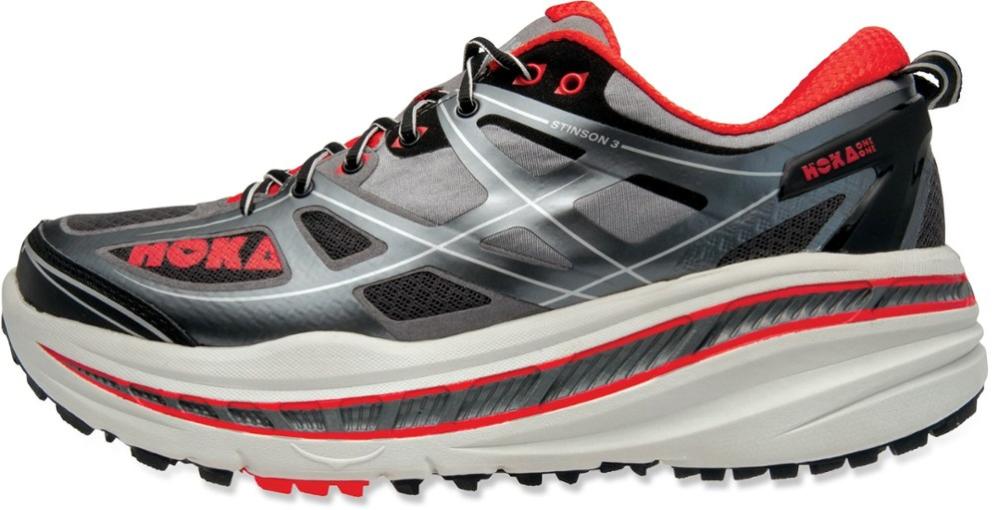
In the spirit of trying new things, I tried the Hoka One One Stinson 3 ATR. This was my first maximalist shoe. I remember how strange it felt for the first few runs — as if I were walking on rolling pins. The cushioning, however, was impeccable: I hadn’t experienced anything like it in a long time. A quality, comfortable shoe: I replaced it after 1,565 kilometres.
Back to Saucony — Triumph ISO 4 (2021)
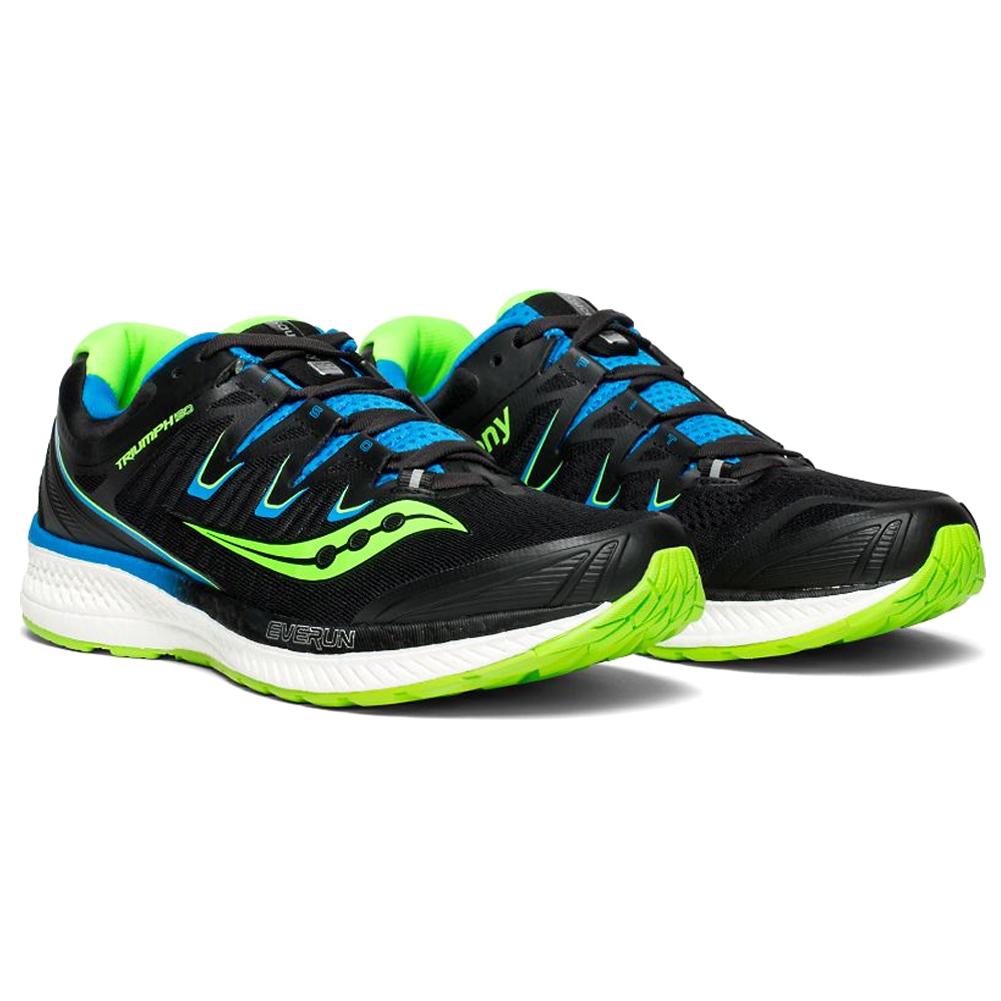
While continuing to monitor trends across brands, I returned to Saucony with the Triumph ISO 4. The comfort was at the usual Saucony level. Following Saucony habit I chose a larger size — 44.5 instead of 44 — but with this model the extra half-size was not needed; a 44 would have sufficed. Interestingly, around 1,000 kilometres I felt a brief pain in the sole of my foot. This kind of sudden, mild pain — not from a wrong movement — is generally one of the signs that a shoe needs replacing soon. This time the pain passed and the shoe lasted 1,420 kilometres, to my great satisfaction. The cushioning disappeared almost entirely within about 200 kilometres of the end.
Back to the Classics — Nike Air Zoom Pegasus 37 and 38 (2021–2023)
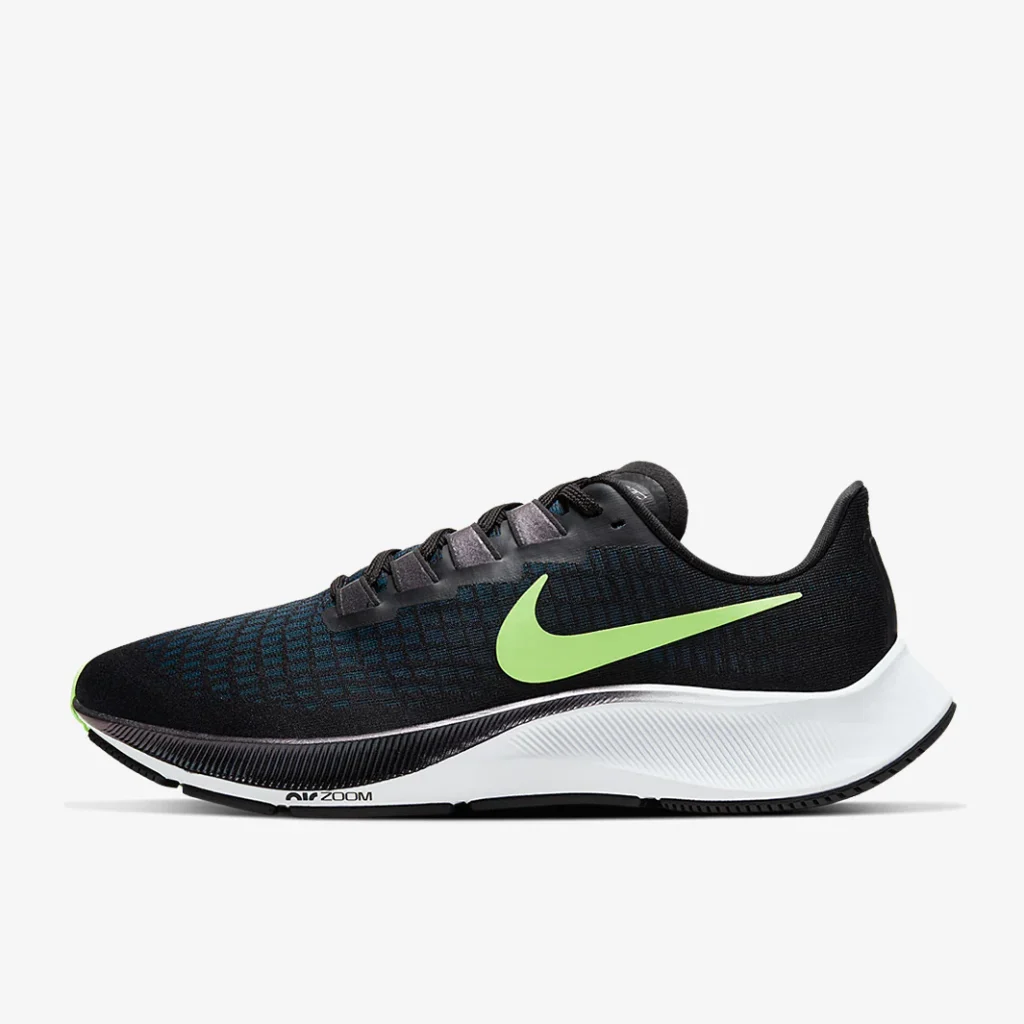
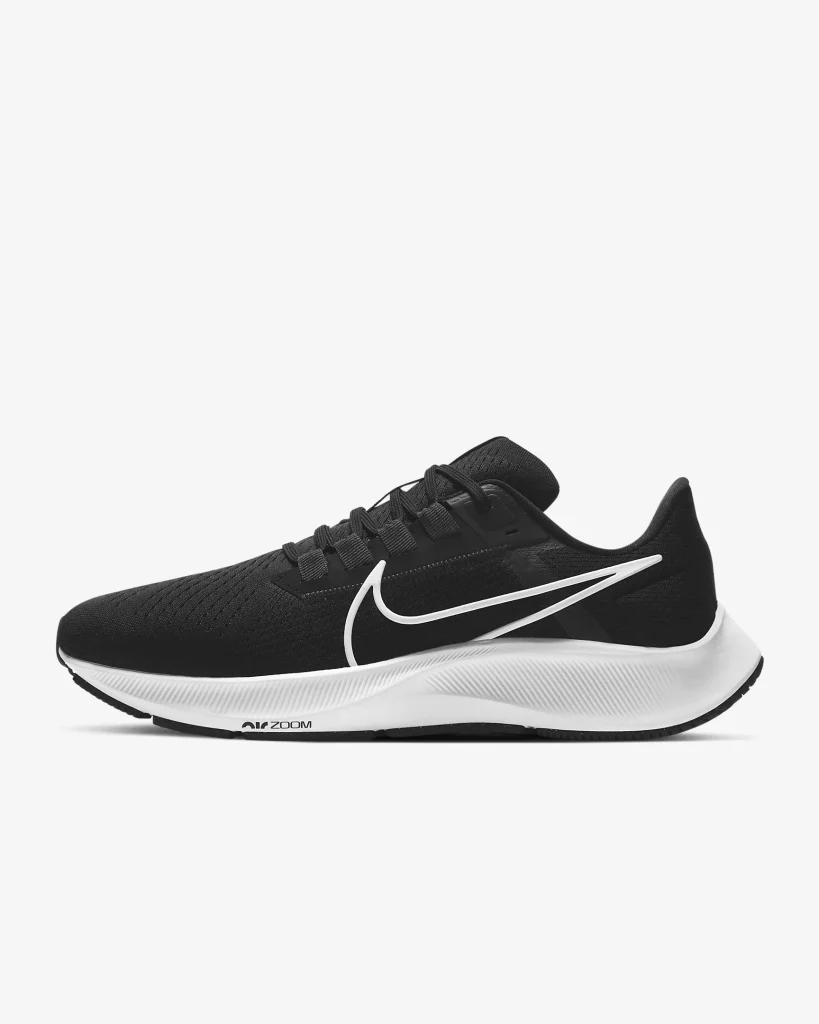
My next two pairs marked a return to my old great favourite: Nike Air Zoom Pegasus 37 and 38. I concluded that, for better or worse, the Pegasus remains the reference. With 1,510 and 1,683 kilometres respectively, they showed that the durability had held up over the years.
The Impostor — Adidas Supernova 2021 and Cold.Rdy (2022–2023)
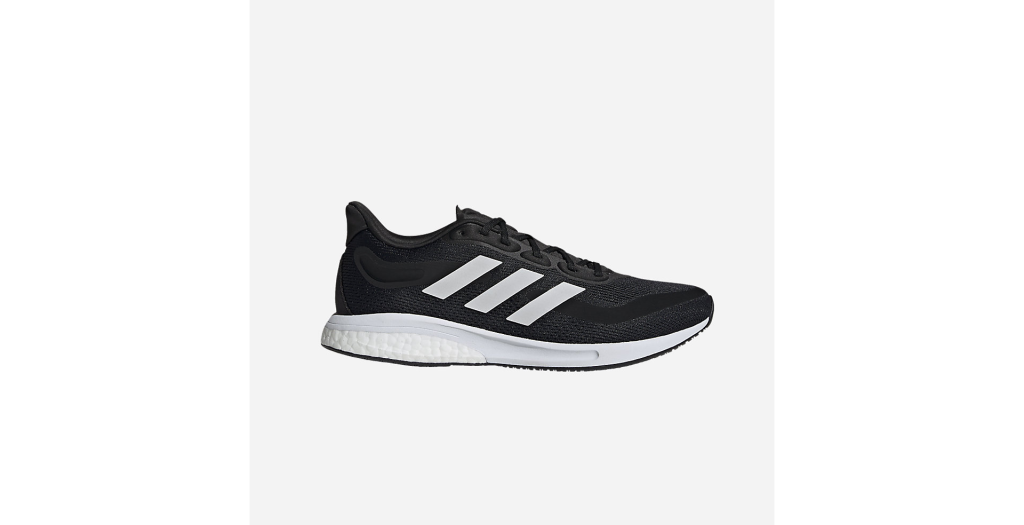
The next shoe was the Adidas Supernova, 2021 model (used from 2022). The name filled me with excitement and I ordered it — though the price seemed suspiciously low. I was very surprised by the quality. The materials were noticeably inferior to the earlier models, and I read at the time that this Supernova was far from being “the” Supernova any more. The sole felt very hard; it took 50–60 kilometres to break in — the stiffest shoe I had ever owned (with one exception, which ended up as a street shoe after a few outings — two pairs in total have ever met that fate, and I will address them separately at the end). The other negative was dreadful ventilation: since I unfortunately bought it for summer, I suffered throughout. The outsole wore quickly, as did the upper. Aesthetically, however, I loved its clean black-and-white style, and I began stitching it regularly. The foam, on the other hand, proved surprisingly resilient: the cushioning only began to fade around 1,500 kilometres, then deteriorated fully within about 100 kilometres. Nearly 1,600 kilometres was a very good result.
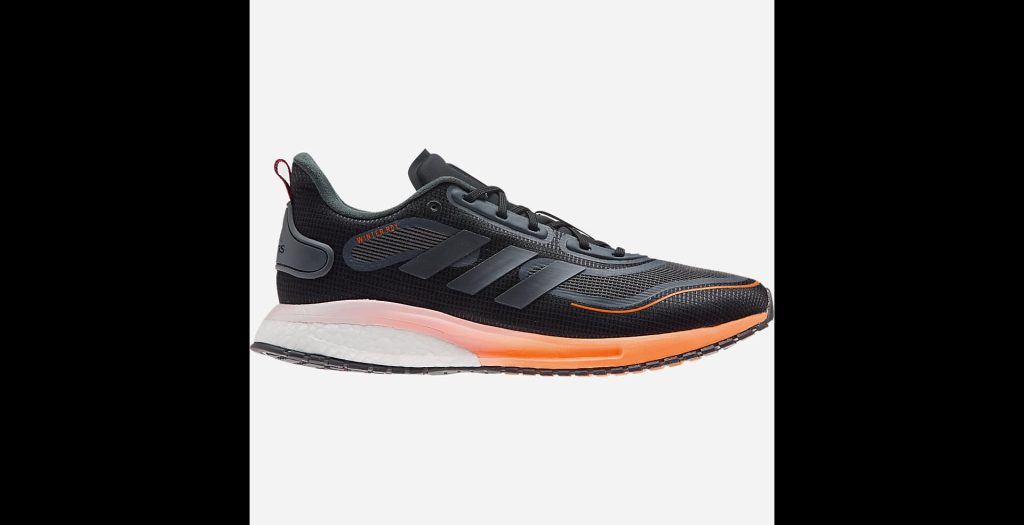
At the same time I bought the winter version of the same model: the Adidas Supernova Cold.Rdy (337 g — almost identical in weight). The nostalgia factor from the old Supernova GTX played a significant role in the choice. But this Supernova was not “the” Supernova either. The upper worked superbly for waterproofing when new — but it stopped working before 400 kilometres: the shoe simply developed a hole. I read online that SeamGrip WP adhesive is excellent on the flexible surfaces of running shoes. I bought a tube and tried it — but it did not work. The heel and outsole held fine, but not the upper. The winter season ended after 1,430 kilometres.
Another Pegasus 38 (2023-2024)
Residual stock led me to another pair of Pegasus 38. I snapped it up and it delivered the same experience as before (around 1,300 km). This was the pair I was wearing when the break came — the turning point. I had put 700–800 kilometres on it before spending nearly a year not running (though I used it for Nordic walking during that time), then took my first steps back in it during the return to running. I remember thinking, with a certain nostalgia, that when I first put it on I had no idea what life would look like by the time I retired it.
Rain Shoe — Nike Winflo 9 Shield (2023–present)
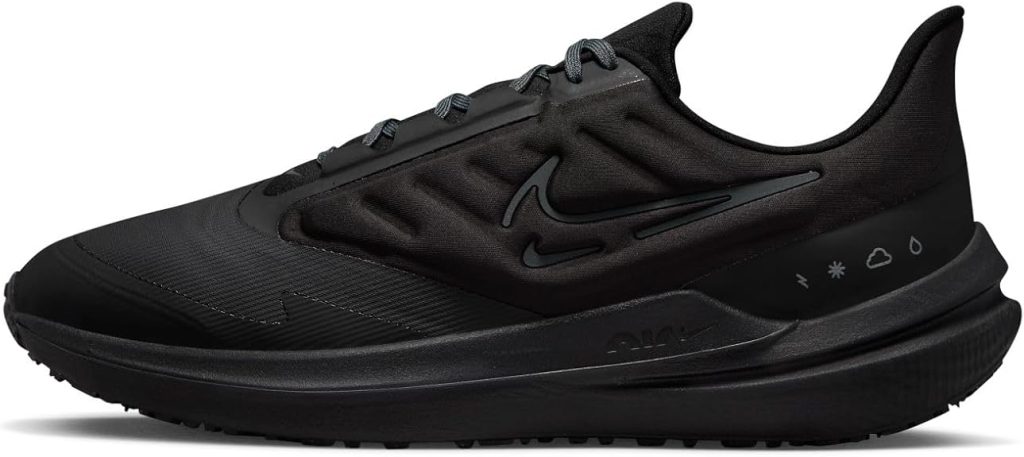
The Nordic walking had begun in winter, during recovery, so a rain shoe became essential — the Pegasus is useless in slush. This was the Nike Winflo 9 Shield, which I still use today. I was surprised to find, when I ordered it in November 2023, that it had been manufactured in October 2023 — the freshest shoe I had ever owned. It does the job: an hour’s running in heavy rain is roughly its limit, though even then the water may be coming in from above rather than through the fabric. It meets my needs.
Return to Running — Nike Vomero 16 (2024-2025)
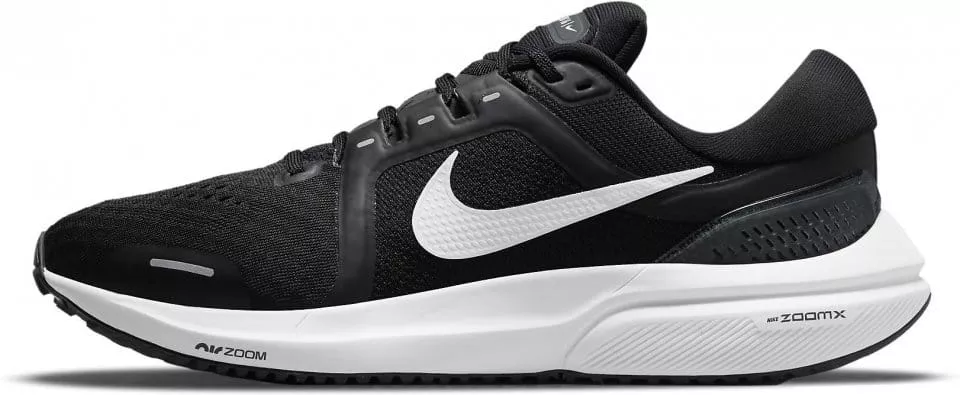
My first new shoe after returning to running was the Nike Vomero 16. I had always been curious about it, knowing it was positioned above the Pegasus, and I was happy to find out what the next level offered. I was disappointed. In comfort and cushioning it surpasses the Pegasus — that is true. But in durability, certainly not. This was the first shoe I had to retire not because of the sole or lost cushioning, but because the lateral support failed very quickly. Whether it stretched out too much or something else, by the end I felt my foot moving left and right on the footbed. I started using it as a street shoe at 1,069 kilometres — and even for that it is borderline, it holds so poorly. The upper, however, is perfect: no tears, the sole barely shows any wear.
The Other Impostor — Adidas Adistar 2.0 (2025–2026)
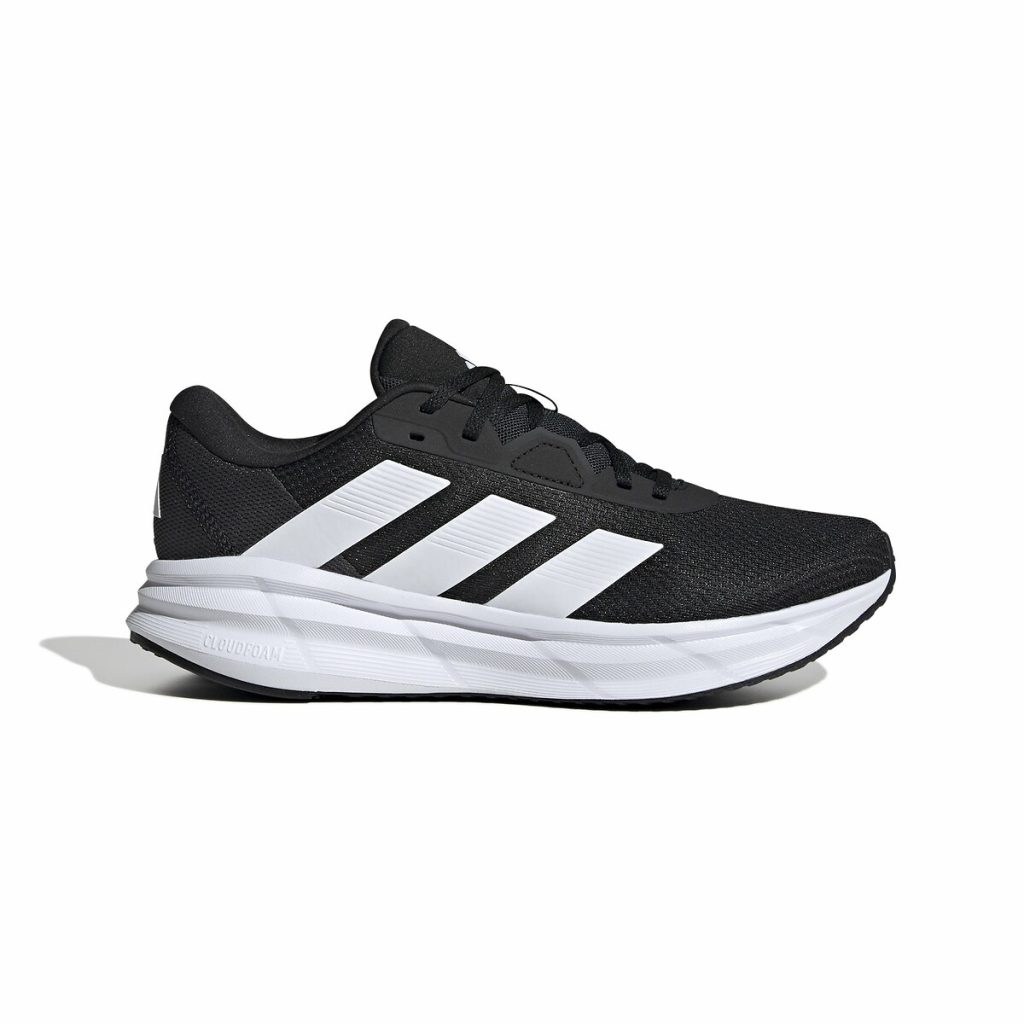
After the Supernova experience, I had the opportunity to establish that the Adistar is not “the” Adistar either. The model is the Adistar 2.0 — Continental outsole, very thick sole — and yet incredibly hard and stiff. The upper is not durable either: the first tears appeared at 650 kilometres. I reinforced them with stitching, keeping the shoe usable up to 1,230 kilometres. Aesthetically I loved this model; I regularly cleaned the sides of the sole to keep the white looking fresh throughout.
Back to the Favourite — Nike Air Zoom Pegasus 41 (2026–present)
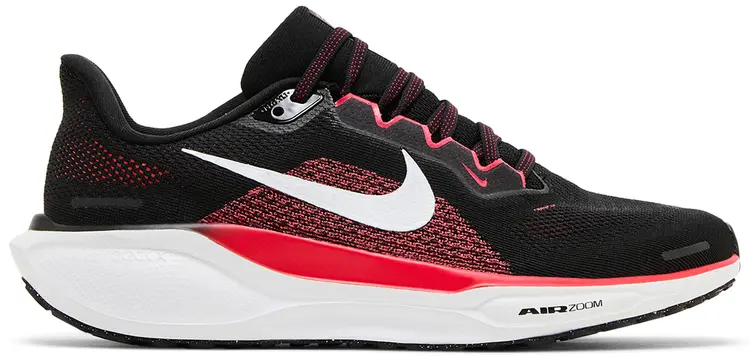
My current shoe is a return to the trusted favourite: the Nike Air Zoom Pegasus 41. I have not run many kilometres in it yet, but it delivers the familiar form. It is noticeably more flexible and softer than the previous Adidas, and the heel section is perceptibly thinner: the irregularities of the asphalt are much more noticeable than before. It takes some readjustment to “normal” stack height — though even this is thicker than my earlier Pegasus models or the Vomero.
Two That Never Made the Cut
Finally, I must mention two pairs that proved entirely unsuitable for running, despite being bought as running shoes. Interestingly, both were red — and I have never owned any other red running shoes, so it seems red is not a good omen for me.
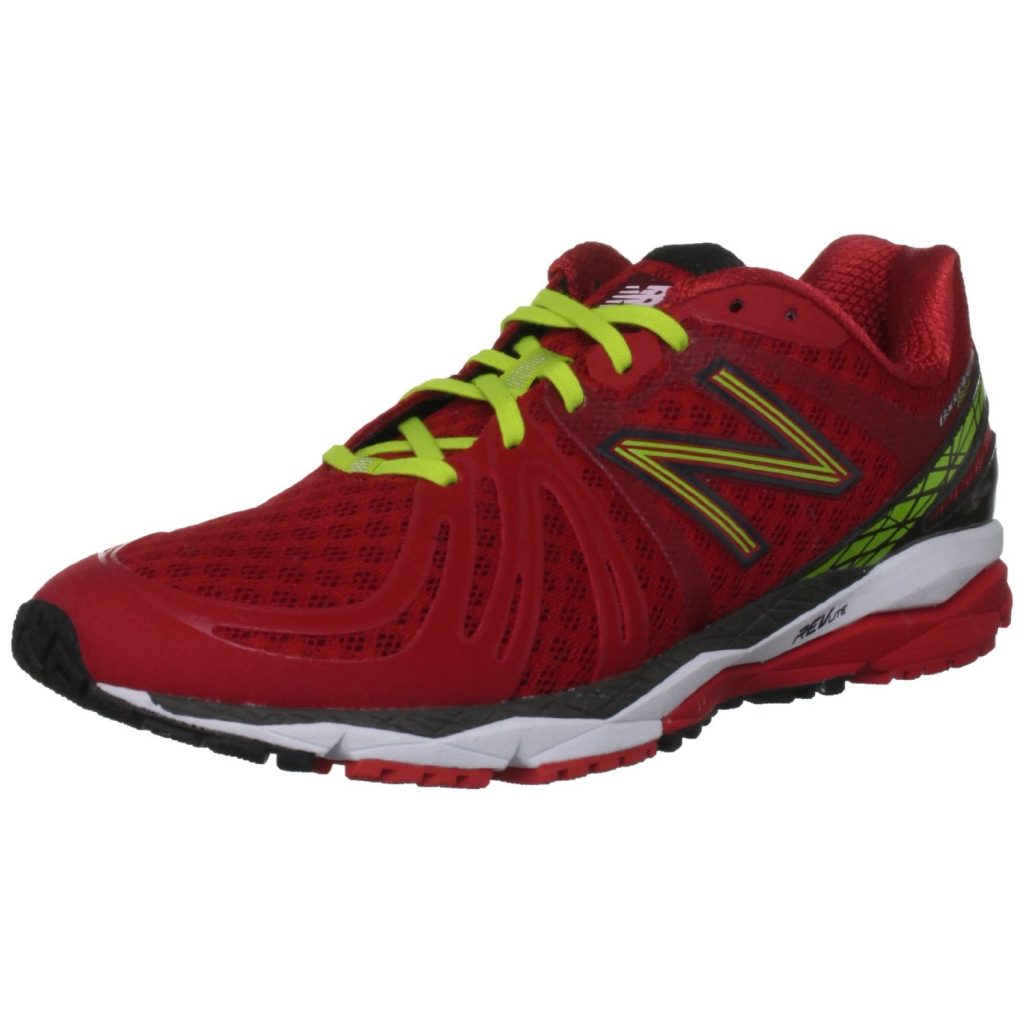
The first comes from my New Balance era: the M890v2. I bought it for marathons and races, and ran one half-marathon in it. It was very light and flexible, and felt comfortable. But it held my foot so poorly in the lateral direction that I deemed it unfit for further use and wore it as a street shoe — vivid colour notwithstanding.
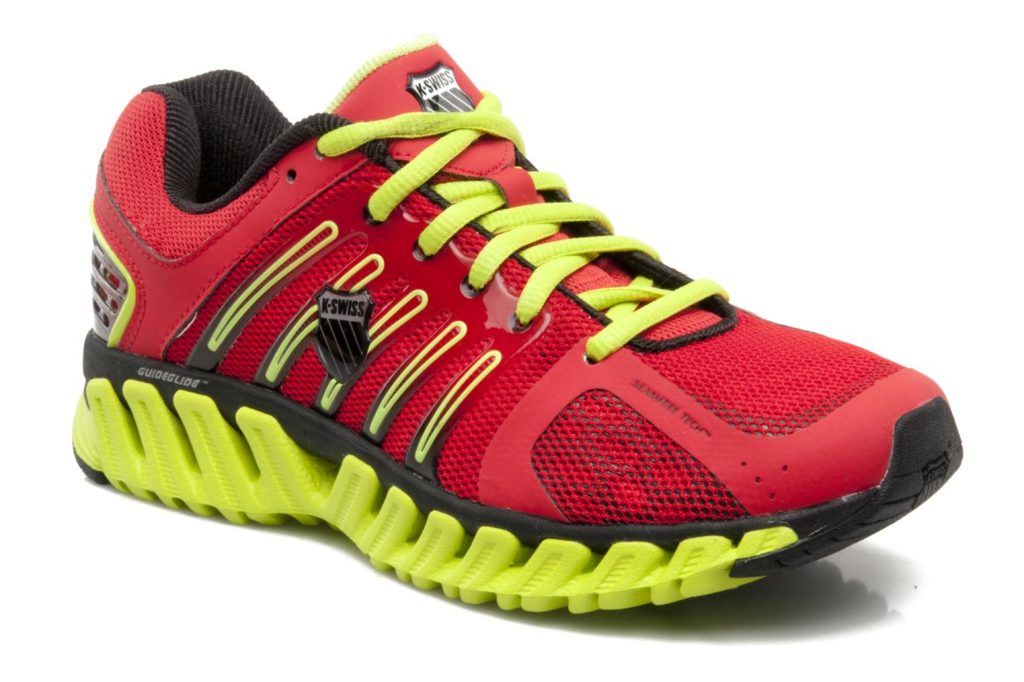
The second was the K-Swiss Blade Max Stable Sn33. As a stability shoe it had excellent support, but the sole was so rigid that it bore no resemblance to a running shoe. Like running in a leather-soled shoe. With regret, this one too became a street shoe.
Afterword
That is the story of my shoes. As I said, I look back fondly on every single pair — even the ones that ultimately let me down. They mark the different chapters of my life. In my running log I have recorded which shoe I wore, from when to when, and where I was living at the time. They have become part of my life. The photos help bring them back.